Key Takeaways
- Arriving early gives coordinators time to confirm attendance and helps the group avoid missing registration or safety briefings.
- Keeping entrances and walkways clear allows passengers to board and leave safely without delaying others.
- Respectful behaviour, careful listening, and timely cooperation help visitors move through controlled industrial environments.
- Checking personal items and returning promptly keeps the planned journey running smoothly.
Introduction
Industrial facility visits in Singapore often bring colleagues, students, organisers, and guests to factories, warehouses, depots, and other operational sites. These programmes usually follow fixed schedules, so the journey should be coordinated from the meeting point onwards. Good bus etiquette creates a considerate shared environment and helps everyone arrive prepared.
Why Bus Etiquette Matters for Industrial Facility Visits
Industrial sites are active workplaces where registration, security checks, and safety briefings may follow a set schedule. A late or disorganised arrival can inconvenience the host team and shorten the programme. Clear bus etiquette expectations help visitors stay together and respect the facility’s arrangements. The coordinator can also explain the expected passenger bus conduct before departure, helping everyone arrive ready to follow instructions.
Arriving Before the Scheduled Departure Time
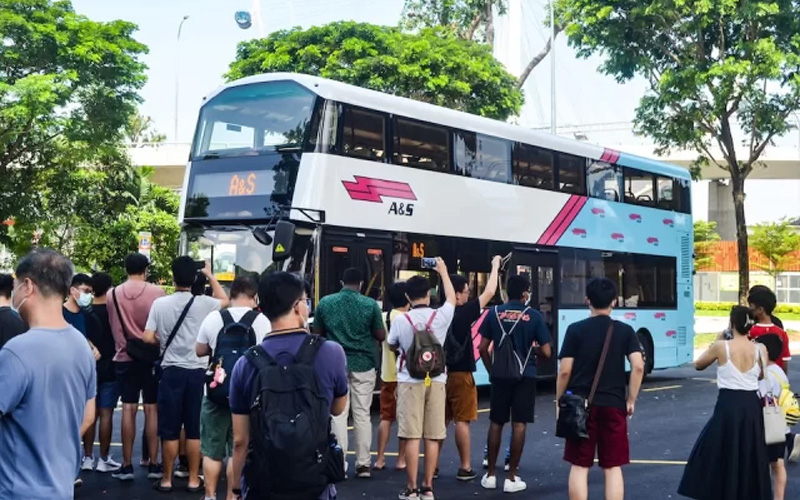
Visitors should arrive before the stated departure time so the coordinator can confirm attendance, share updates, and organise boarding without rushing. For organisers coordinating industrial visit transport, even a short delay may cause the group to miss a registration window or shorten a planned walkthrough. Being early shows consideration for the organiser, bus captain, host facility, and passengers who arrived on time.
Boarding in an Orderly Way
Boarding should be calm, especially when visitors carry work materials or small bags. Passengers should wait their turn, move promptly to a seat, and avoid pausing at the doorway. This makes attendance checks easier and allows the journey to begin on schedule.
Keeping Aisles Clear of Bags, Samples, and Documents
Work bags, documents, samples, and umbrellas should be kept securely with the passenger or placed in a suitable storage area. They should never obstruct the aisle or door. Keeping walkways clear is an important part of bus etiquette because it supports safe movement and keeps the shared space comfortable.
Respecting the Driver and Other Passengers
The bus captain needs a calm environment to focus on traffic conditions and manoeuvre the vehicle safely. Passengers should remain seated while the bus is moving. They should also avoid distracting the driver, gathering near the front, or requesting extra stops without the coordinator’s approval. Conversations should remain at a considerate volume, and devices should be used quietly. These habits reflect sensible charter bus etiquette and make the ride more pleasant for everyone.
Following the Host or Trip Coordinator’s Instructions
Most visits have a coordinator who manages attendance, timings, access requirements, and the return journey. Passengers should follow instructions on seating, identification, visitor passes, gathering points, and alighting. Cooperation is especially important at sites with guardhouses, controlled entrances, or limited waiting areas.
Staying Ready Before Arrival
As the bus approaches the facility, visitors should listen for final instructions and prepare anything required for entry, such as identification, visitor passes, or safety footwear. Visitors carrying samples or equipment should confirm whether these items require declaration or separate handling. Being ready allows the group to alight promptly without lingering near a driveway, loading bay, or drop-off point.
Alighting Efficiently at the Facility
Passengers should remain seated until the bus has stopped and avoid crowding the aisle too early. When it is time to leave, they should move steadily, use the handrails, and step away from the entrance once outside. Efficient alighting keeps the doorway clear and allows visitors to proceed to the agreed waiting area.
Keeping the Bus Clean During the Journey
A tidy bus is more comfortable for everyone. Passengers should follow the operator’s onboard food and drink rules, dispose of any rubbish properly, and leave their seating area clean. Work materials should remain organised rather than spread across neighbouring seats. This shows consideration for fellow passengers and the next group.
Checking Belongings Before Leaving the Bus
Before stepping off, visitors should check for personal items, identification, work materials, and umbrellas. This is especially important at controlled facilities where returning to the vehicle may not be possible immediately. A quick check prevents delays and ensures that everyone is ready for registration, a briefing, or the walkthrough.
Returning to the Bus on Time After the Visit
Once the programme ends and the coordinator confirms the return time, passengers should head back promptly. A punctual return keeps group transport on schedule and shows respect for the host, organiser, bus captain, and passengers who are ready to leave.
Keeping Bus Etiquette Simple and Practical
Good bus etiquette does not need to feel strict. It comes down to being punctual, keeping shared areas clear, listening to instructions, respecting others, and taking responsibility for personal belongings. A&S Transit encourages organisers to share these expectations in a friendly, straightforward way. We believe clear guidance helps every visitor contribute to a smooth and comfortable journey.
Planning Industrial Visit Transport with A&S Transit
A well-organised visit also requires transport that suits the group’s size, pickup point, site access requirements, reporting time, and return schedule. The right private bus service gives organisers one clear plan for moving everyone together instead of relying on separate vehicles and staggered arrivals.
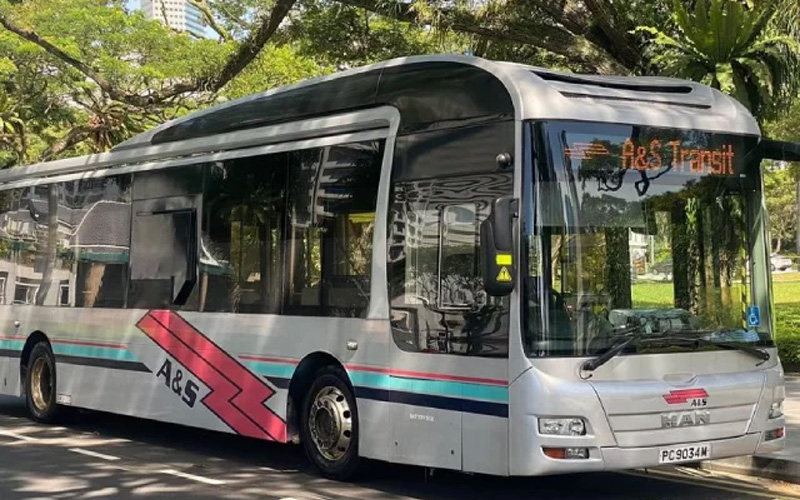
A&S Transit supports corporate, educational, tour, and event groups through one-time and recurring arrangements. Our fleet of more than 100 buses includes 10-seater, 19-seater, 40-seater, and 45-seater options, allowing us to match the vehicle to the group size and visit requirements. Our charter bus services can also be customised around pickup points, reporting times, and site access arrangements across Singapore.
With more than 30 years of industry experience and islandwide coverage, we help organisers coordinate the full journey rather than simply provide a vehicle. Contact our team with your passenger count, pickup point, site location, reporting time, and return schedule to plan transport that supports punctual arrival, orderly site entry, and a smooth journey home.